
Lukwati - Big Game
Deep in the remote wilderness of Western Tanzania lies Lukwati South Game Reserve — a true African hunting gem. One of the region’s most pristine and productive concessions, Lukwati offers the discerning hunter an authentic wilderness experience where untouched landscapes, abundant game and the thrill of the unknown define every safari.
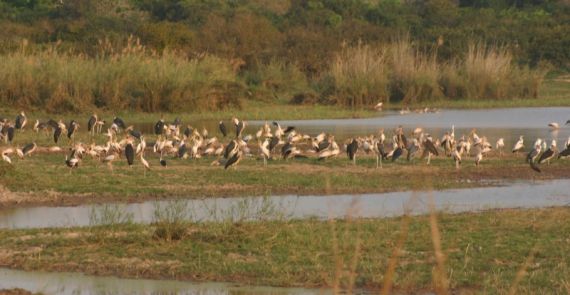
Highlights
- A fantastic Big Game district
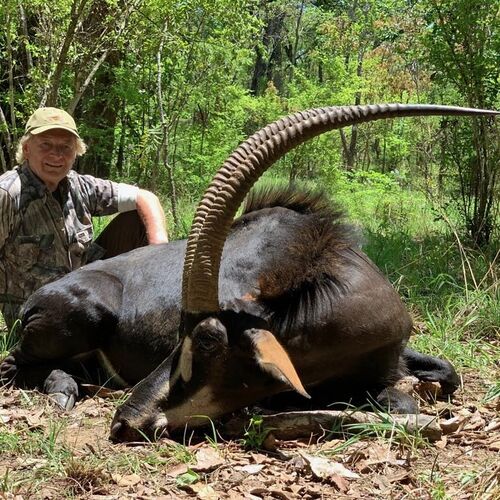
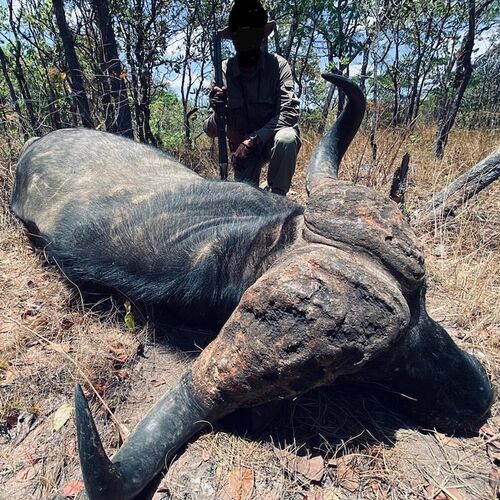
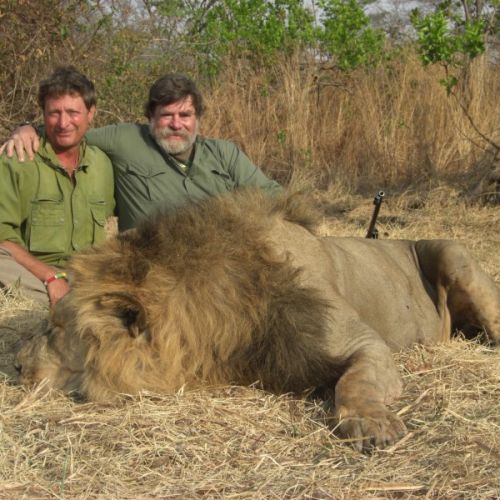
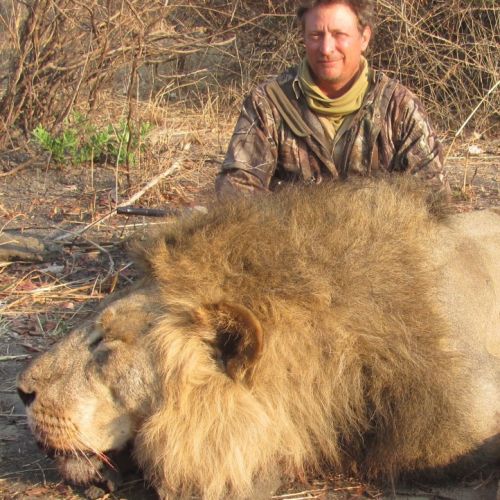
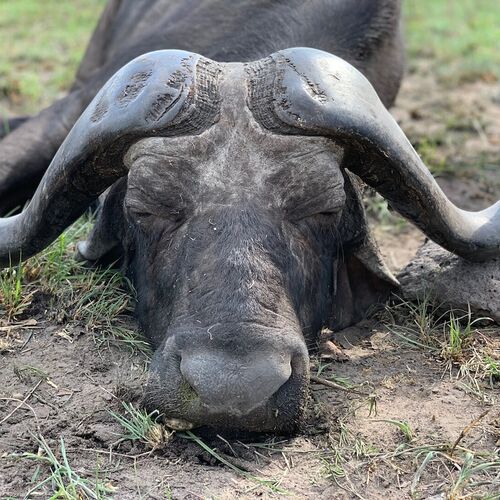
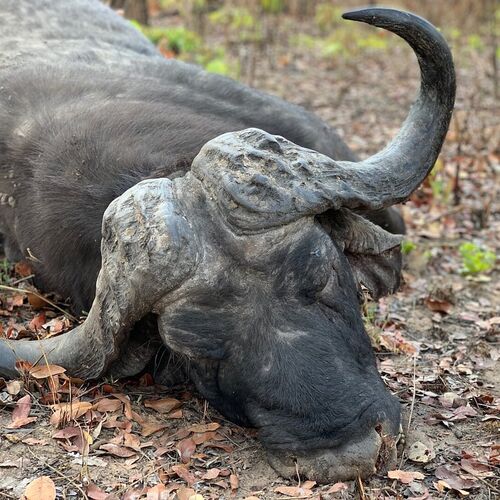
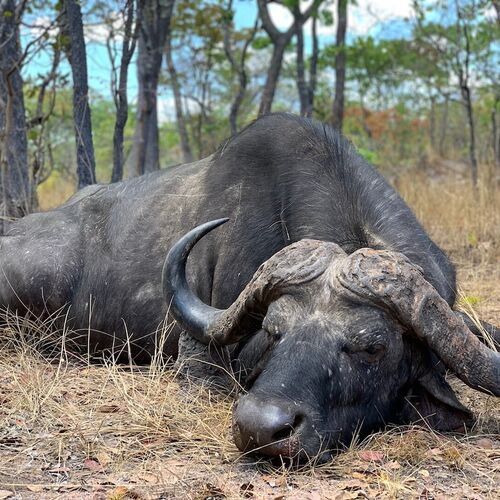
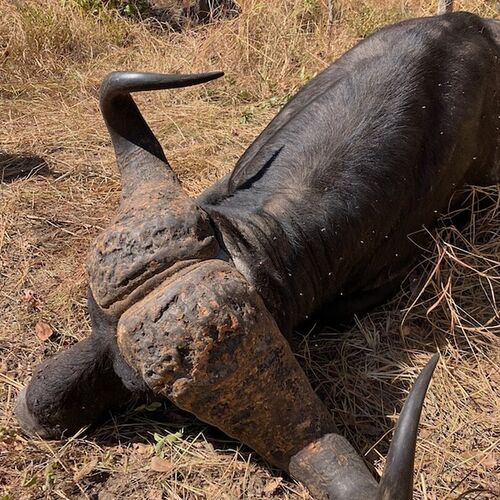
- Big buffalos, sable, plenty of leopards, and a very high success rate for mature lions
- A really good habitat with a high level of diversity
- One of the most productive and well-protected hunting districts


11 days from $25,000
One of Tanzania’s most exclusive hunting destinations
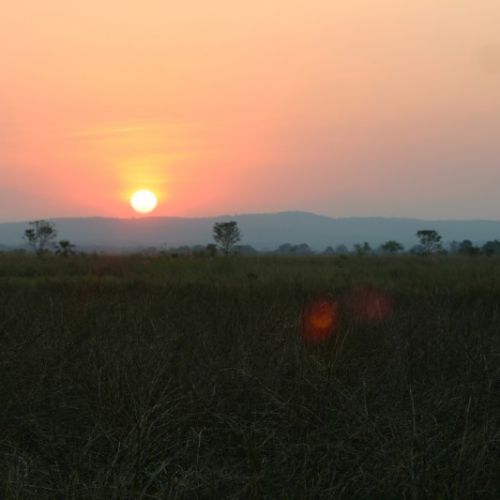
Deep in the remote wilderness of Western Tanzania lies Lukwati South Game Reserve – a true African hunting gem and one of the most pristine and productive hunting destinations in the region. Far away from civilization, Lukwati offers an authentic wilderness experience where nature remains untouched and every safari is shaped by the raw beauty, unpredictability and spirit of Africa.
Lukwati represents what many hunters dream of when they think of Africa: endless wilderness, abundant wildlife, diverse landscapes and the privilege of hunting in a truly untouched environment. Every safari is unique, and every encounter with the game reflects the excitement and respect that define genuine African hunting.
Michel Mantheakis Safaris – Experience, Passion and Conservation
Behind this exceptional hunting destination stands Michel Mantheakis Safaris Ltd (MMS), a family-owned company established in 2010 and operated by Michel Mantheakis, his wife Nicole and their professional management team.
With over 39 years of professional hunting experience in Tanzania and more than 30 years of owning and operating some of the country’s finest hunting companies, MMS offers exceptional Big Game hunting experiences in Western Tanzania. Through their Lukwati South Game Reserve and Muhesi Game Reserve concessions, as well as their Longido GCA concession for Masai species, MMS has established itself as one of Tanzania’s most respected hunting operators.
Michel’s academic background in Zoology and Wildlife Science, combined with a lifelong passion for hunting, forms the foundation of a philosophy where outstanding trophy opportunities, sustainability and conservation are closely connected.
Lukwati – A Wilderness of Diversity and Opportunity
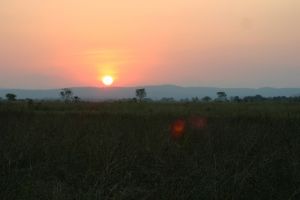
Stretching from the north-eastern shores of Lake Rukwa and rising into the vast Miombo woodlands, Lukwati offers one of Tanzania’s most diverse and exciting hunting environments.
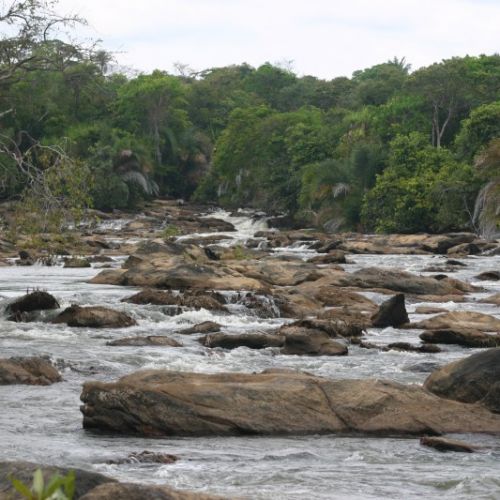
The concession includes lakes, wetlands, rivers, open plains, mountains, rocky outcrops and dense bush areas, creating a unique ecosystem capable of supporting an impressive variety of wildlife.
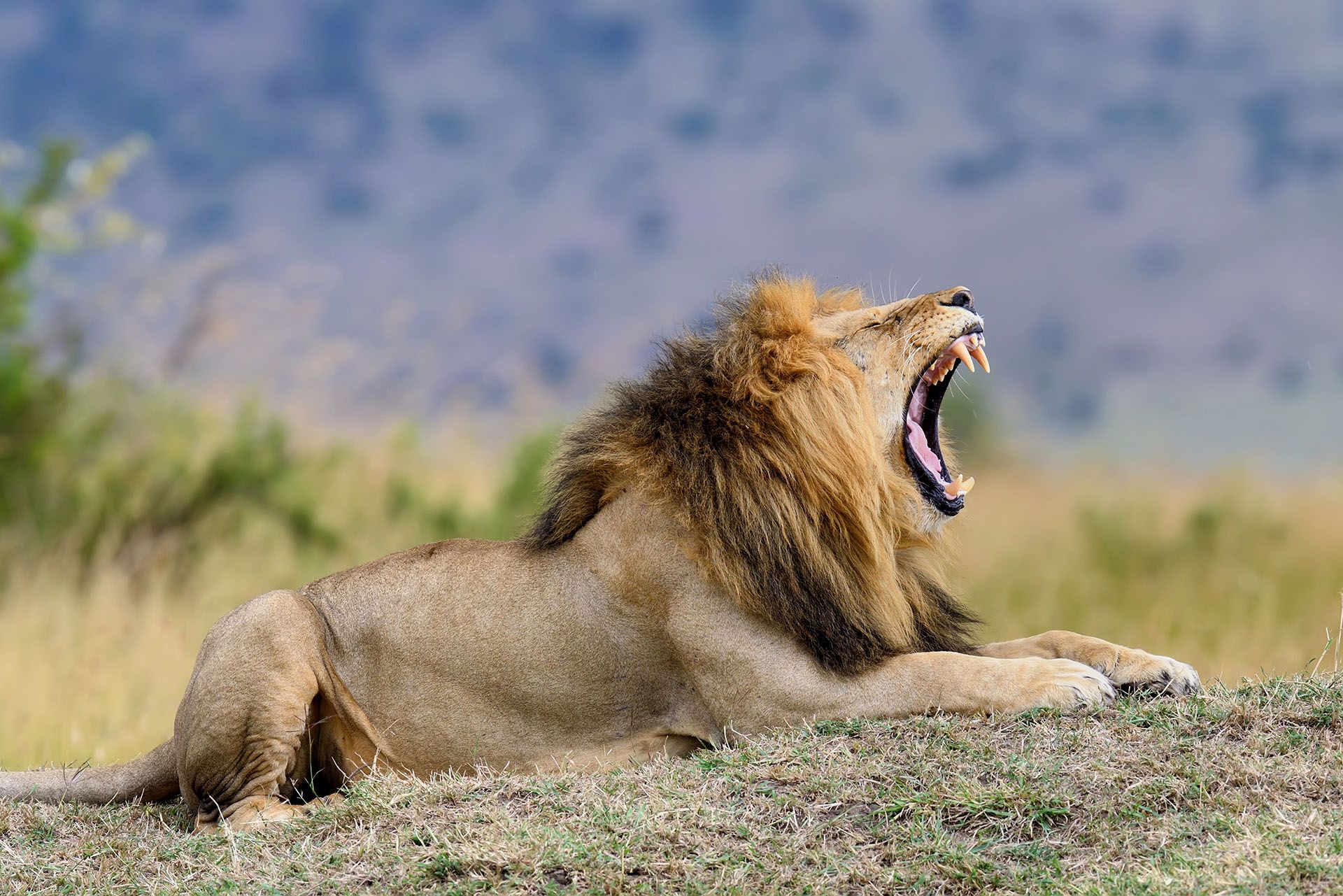
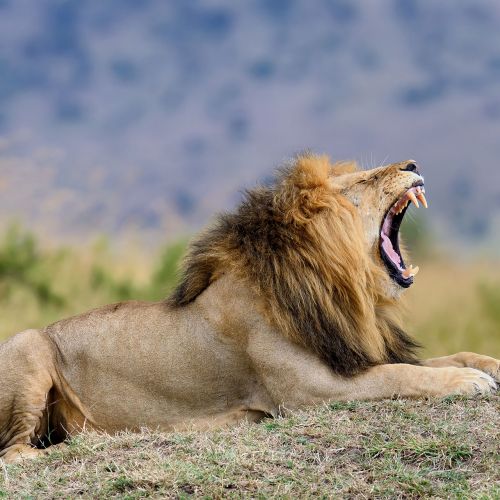
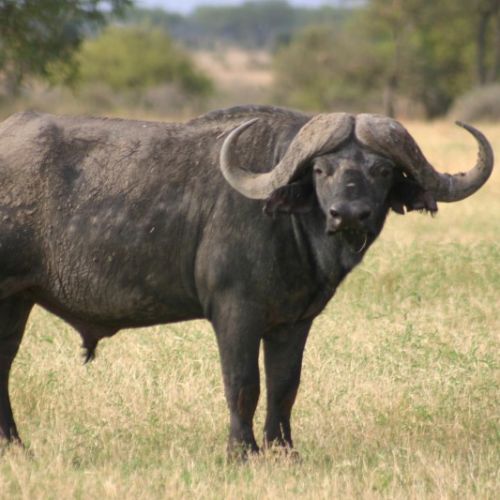
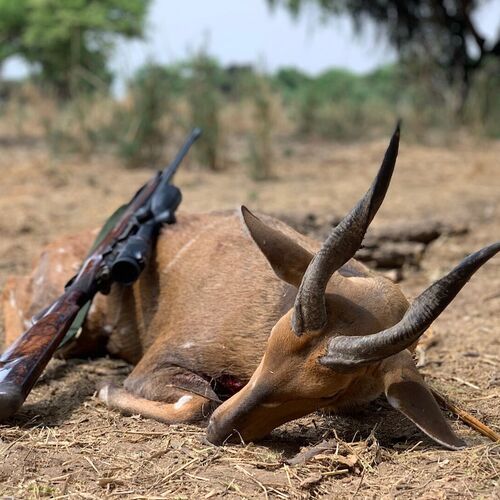
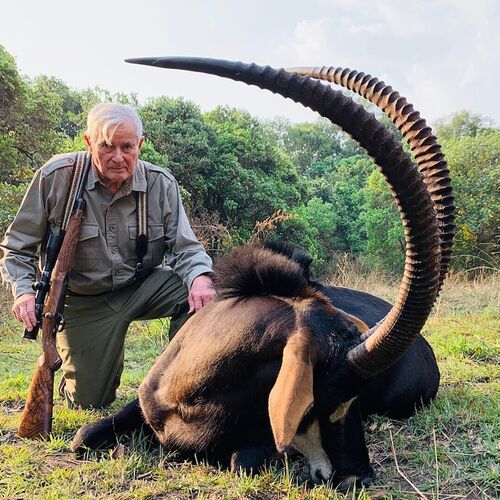
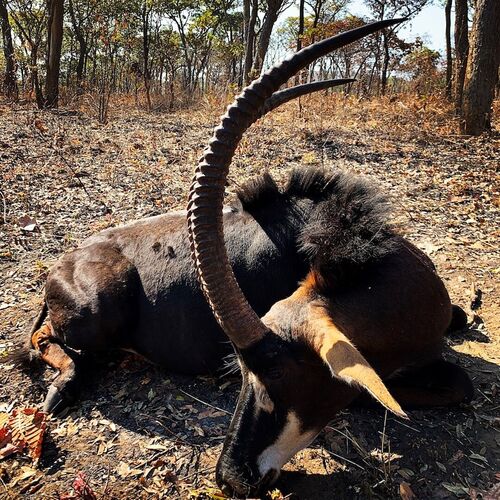
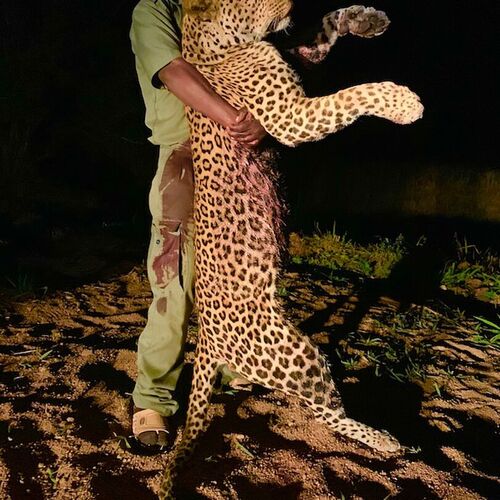
Lukwati is renowned for exceptional opportunities on some of Africa’s most sought-after species, including heavy-maned Lions, big Buffalo, magnificent Sable and elusive Leopard.
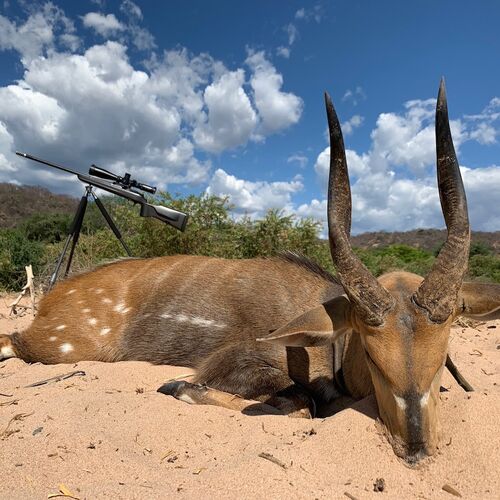
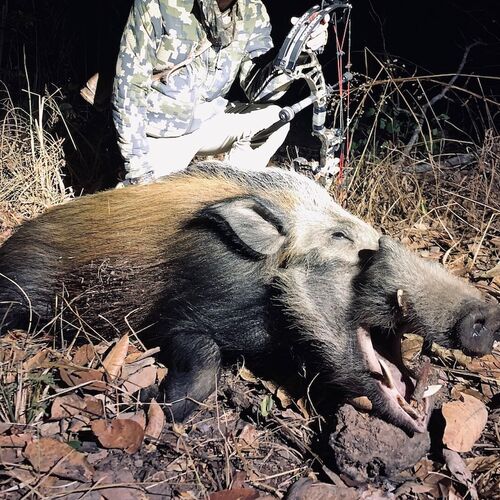
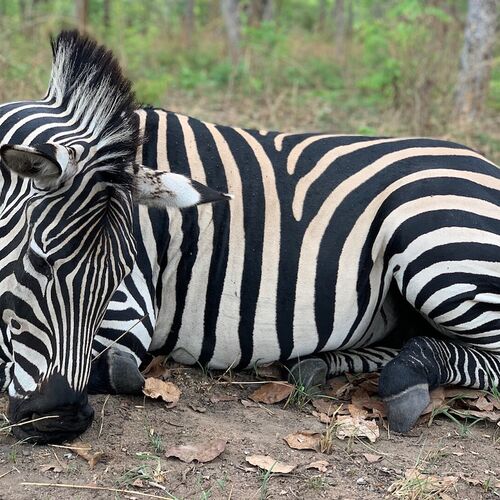
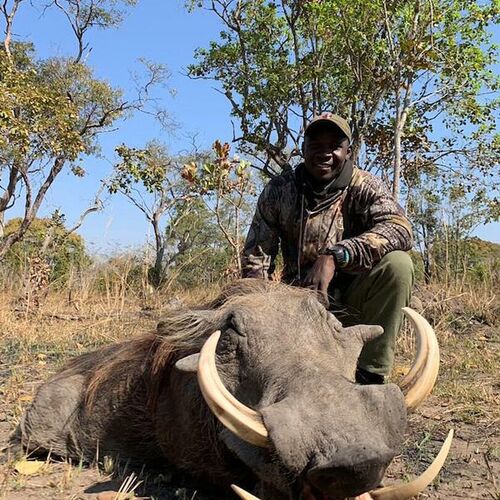
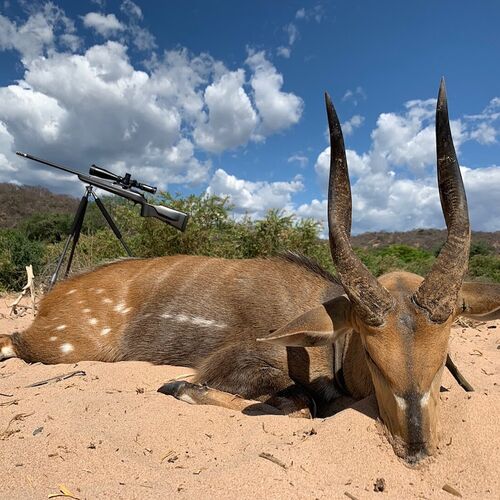
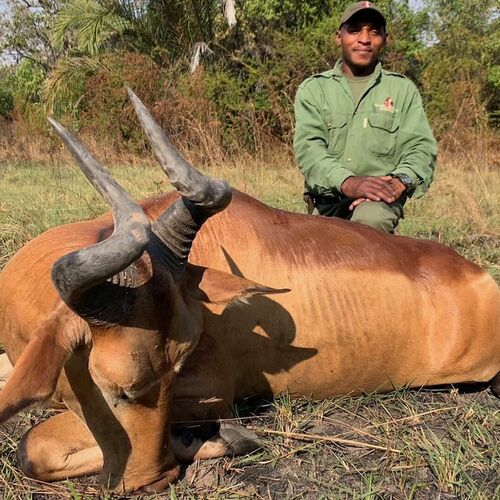
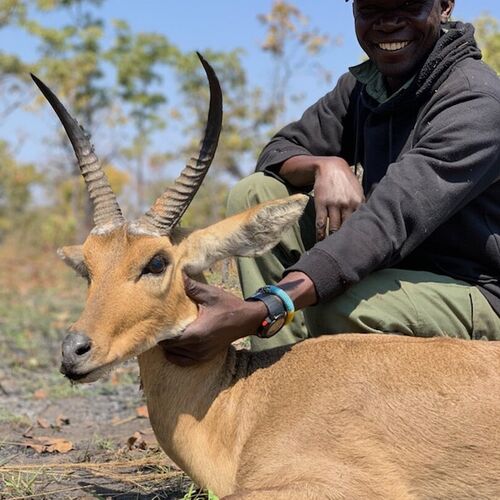
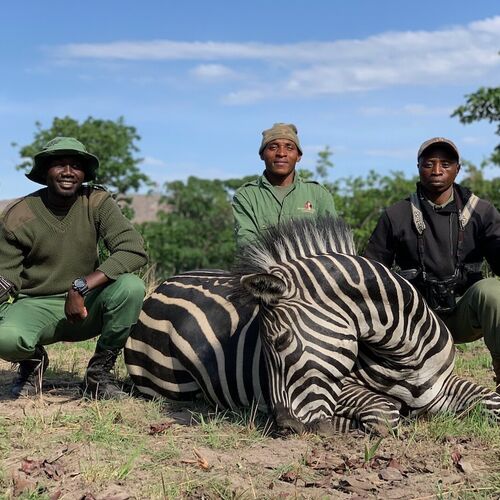
The wildlife available includes Lion, Buffalo, Leopard, Elephant, Sable, Kudu, Roan, Eland, Hippo, Crocodile, Lichtenstein’s Hartebeest, Defassa Waterbuck, Zebra, Reedbuck, Warthog, Bushbuck, Oribi, Duiker, Impala, Hyena and Jackal.
Conservation at the Heart of the Safari Experience
MMS’ success is built on a powerful commitment to conservation. Through intensive anti-poaching efforts, sustainable hunting practices and careful management of safari numbers, they work continuously to protect wildlife and preserve the natural environment.
By opening new roads and accessing previously untouched hunting grounds, MMS has improved habitat quality, strengthened wildlife populations and enhanced trophy potential.
For MMS, hunting is about far more than a trophy. It is about creating a complete African safari experience – one where hunters become part of the wilderness, support conservation and contribute to the future survival of African wildlife and responsible hunting.

Accommodation
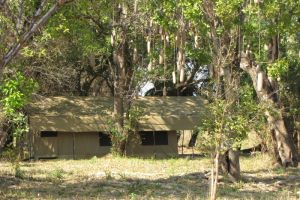
Camp Lukwati
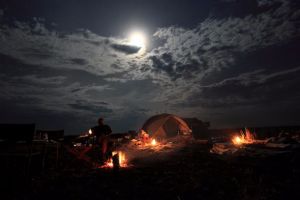
The camp gas been built in typical East-African style and is of a very high standard. It is beautifully situated, very comfortable, and offers spacious insect-proof tents (double tents) equipped with good beds, bed-linen, bedside tables, clothes-racks, shelves and chairs. All tents also have private toilets and showers, with hot and cold running water. Furthermore these is a cozy mess...
Read moreHunting Area
Lukwati South Game Reserve
Lukwati lies in western Tanzania and this fantastic big game district is one of the absolute best that Tanzania can offer. It is one of the most productive and best taken care of hunting districts anywhere. For many years the former concession holders made great efforts in the fields of wildlife management and poaching control, while the district’s remote location also helps to protect the...
Read morePartner
Michel Mantheakis Safaris
Michel Mantheakis Safaris was established in 2010and is owned and managed by Michel and his Dutch born wife Nicole. We have had a great working relationship with Michel over the last 17 years, who was formerly co-owner of Miombo Safaris/Kilombero North Safaris. Michel is a very experienced hunter and a great nature lover. Michel who is of Greek descent, is a 3rd generation Tanzanian and has an...
Read moreGame
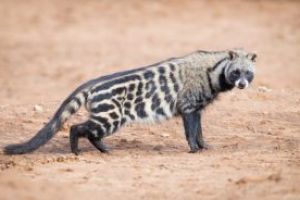
African Civet
Scientific Name: Virerra civetta Subspecies: There exist several subspecies of Viverra civetta, but they are not described here as they have little or no significance as hunting trophies. Distribution: Most African countries south of the Sahara Desert. Habitat: All types of savanna, sometimes dense forest. Description: Dog size animal, looking like a mixture between a stoat and a badger....
Read more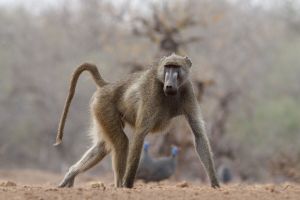
Baboon
Scientific Name: Papio sp. Sub-species: Five species are currently recognised (this is some disagreement on whether they are true separate species or sub-species. The true number of sub-species is also currently unknown) Hamadryas baboon (P. hamadryas) - Horn of AfricaGuinea baboon (P. papio) - Far western AfricaOlive baboon (P. anubis)- north central african savannahYellow baboon (P....
Read more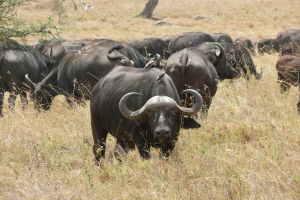
Buffalo, Cape
Videnskabeligt navn: Syncerus caffer Underarter: Dværgbøffel (Cyncerus c. nanus), Savannebøffel (Cyncerus c. S. c. brachyceros ), Nilbøffel (Syncerus caffer aequinoctialis). Cafferbøffel (Cyncerus caffer caffer Udbredelse: Nilbøflen er den af de fire arter der har det nordligste udbredelsesområde: Fra Senegal i vest i et bredt...
Read more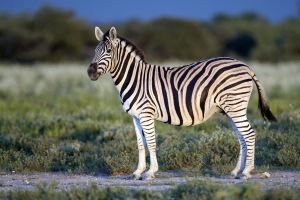
Burchell's Zebra
Videnskabeligt navn: Equus burchelli Underarter: Grant's Zebra (E.b. böhmi) Chapman's Zebra (E.b.antiquorum) Udbredelse: Burchell's Zebra: Botswana og Sydafrika. (den ægte burchell's zebra er uddød). Grant's Zebra: Mozambique, Tanzania, Kenya, Uganda og Ethiopien. Chapman's Zebra: Sydafrika, Mozambique, Zimbabwe, Botswana, Namibia, Angola, Zambia. Levested: Åben bush og...
Read more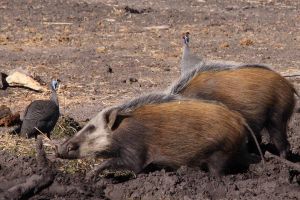
Bush Pig
Scientific Name: Potamochoerus porcus Subspecies: Up to 18 recognised species, here described as one. Distribution: All of Africa south of the Sahara Desert, excepting the desert of Namibia. Habitat: High forest, their fringes and thick bush country, often near rivers. Frequents fields where they cause much damage. Description: A domestic pig-like animal, weighing around 100 kg and measuring...
Read more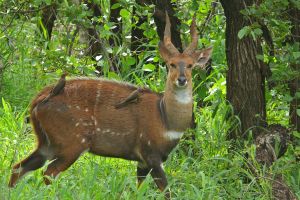
Bushbuck, Cape
Scientific Name: Tragelaphus Scriptus Subspecies: Science dissagree as to how many species there are. We have chosen to include those most relevant to trophy hunters: Tragelaphus s. ornatus, Tragelaphus s. massaicus, Tragelaphus s. sylvaticus. Distribution: Tragelaphus s. scriptus: The West African States Tragelaphus s. ornatus: Zimbabwe, Zambia, Zaire and East Angola Tragelaphus s. massaicus:...
Read more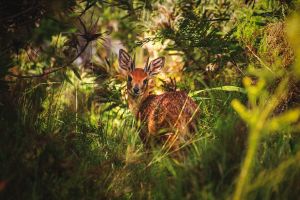
Cape Grysbuck
Videnskabeligt navn: Raphicerus melanotis Underarter: Ingen. Udbredelse: Sydafrika. Levested: Tæt bush og høje græsbevoksninger. Beskrivelse: Lille antilope med en vægt på 8 - 12 kg og en skulderhøjde, der normalt ikke overstiger 50 cm. Grysbucken er gråbrun med hvide aftegninger over øjnene og under halsen. Hornene, der er meget små,...
Read more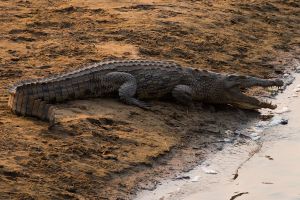
Crocodile, Nile
Scientific Name: Crocodylus niloticus Subspecies: No subspecies are currently formally recognised, however up to seven have been proposed. Distribution: The most common African crocodile, present over much of the sub-Saharan Africa from Lake Nasser in Egypt and the River Nile Sudan to the north to the Okavango Delta of Botswana and the Olifants River of South Africa in the...
Read more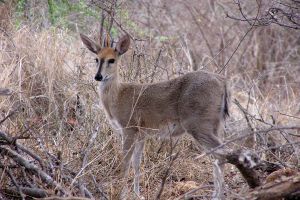
Duiker, Grey/Duiker, Grimm's (Common)
Scientific Name: Sylvicapra Grimmia Subspecies: Classification of subspecies is very variable, we have chosen only to count two: Western Bush Duiker and East African Bush Duiker. Distribution: From the desert rim in Northern Africa to the Southern tip of the Continent, the West African rainforest excepted. Habitat: As the species is a typical bush duiker it lives, as the name suggests in...
Read more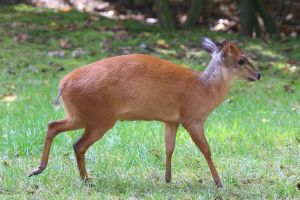
Duiker, Red
Videnskabeligt navn: Cephalophus natalensis Underarter: Ingen. Udbredelse: Udbredelsesområdet for denne art følger et bredt bælte langs den afrikanske østkyst fra Somalia i nord til Natal i Sydafrika i syd. Levested: Foretrækker tætte skovbevoksninger men findes også i visse områder i bush. Beskrivelse: Lille rødbrun antilope med en...
Read more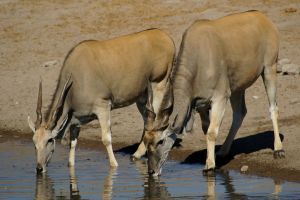
Eland, Cape/Livingstone, Patterson's
Scientific Name: Taurotragus oryx livingstoneiSubspecies: SCI lists Cape Eland as Tragelaphus oryx with three subspecies, which means that SCI counts the Cape Eland with the spiral horned antelopes. We have chosen to list Cape Eland under it's scientific name Taurotragus with two subspecies: Livingstone's Eland (Taurotragus oryz livingstonei) East African Eland (Taurotragus o....
Read more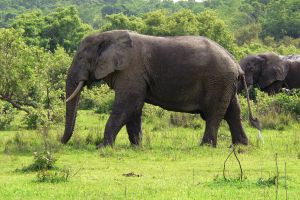
Elephant (Africa)
Videnskabeligt navn: Loxodonta afrikana Underarter: Forest Elephant (Loxodonta a. cyklotis) Pygmy Elephant (Loxodonta a. pumilio) Udbredelse: De tre arters samlede udbredelsesområde: Hele Afrika syd for Sahara. Dog bør det nævnes at i Vestafrika lever elefanterne i dag i små isolerede bestande, og først fra Cameroun og østover kan man tale om...
Read more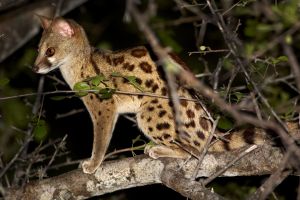
Genet Cat
Scientific Name: Genetta spp. Species: The number of species in this genus is controversial, as of 2005, 17 different species are recognised. It is possible to hunt three of these species:Common Genet (Small spotted) G.genetta - found throughout Africa.Cape Genet (Large spotted) G. tigrina - found only in South AfricaRusty-spotted Genet , G. maculata - found in eastern, southern and...
Read more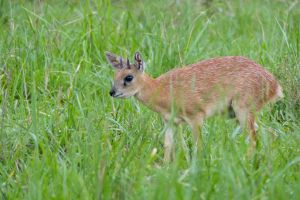
Grysbuck, Sharpe's
Videnskabeligt navn: Raphicerus sharpei Underarter: Ingen. Udbredelse: Zimbabwe, Zambia, den nordøstlige del af Sydafrika, Mozambique, Tanzania. Levested: Tæt bush og høje græsbevoksninger. Beskrivelse: Lille antilope med en vægt på 8 - 12 kg og en skulderhøjde, der normalt ikke overstiger 50 cm. Grysbucken er gråbrun med hvide aftegninger...
Read more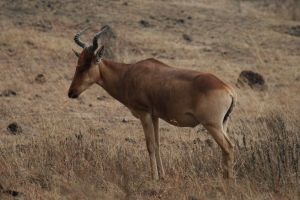
Hartebeest, Lichtensteins
Videnskabeligt navn: Alcelaphus b lichtensteini Underarter: Er selv en underart af Alcelaphus buselaphus Udbredelse: Tanzania, Congo, Mozambique, Zambia, Zimbabwe og Angola. Levested: Åben bush og græssletter. Beskrivelse: Mellemstor antilope, der vejer ca. 170 kg og måler 120 - 140 cm over skuldrene. Skindfarven er lys brun. Hornene der er de mindst kraftige hos...
Read more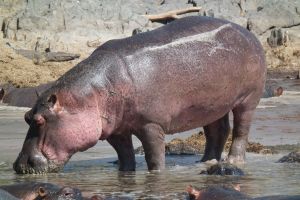
Hippopotamus
Videnskabeligt navn: Hippopotamus amphibius Underarter: Ingen. Udbredelse: I stort set samtlige lande syd for Sahara. Levested: Langs floder og i søer. Beskrivelse: Flodhesten er næst efter elefanten det største landlevende pattedyr. Flodhesten har en kompakt krop og korte kraftige ben. Den opnår en vægt på op til 3,5 tons og en højde på 1,5...
Read more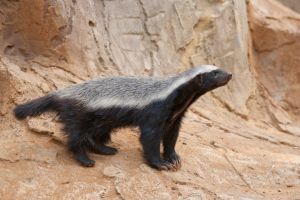
Honey Badger
Videnskabeligt navn: Mellivora capensis Underarter: Der findes 15 underarter hvor kendtegnene imellem typerne er så små, at de er meget svære st skelne fra hinanden. Udbredelse: Sydspidsen af den arabiske halvø, den østlige del af Mellemøsten, Iran, Turkmenistan, Afghanistan, Pakistan, Nepal. Levested: Skov og tørre landskaber, samt bjerge i op til...
Read more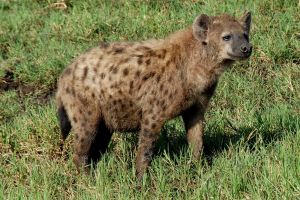
Hyena, Spotted
Videnskabeligt navn: Crocuta crocuta Underarter: Ingen. Udbredelse: Det meste af Afrika med udtagelse af den vestafrikanske regnskov og Sydafrika. Levested: Åben bush og græssletter. Beskrivelse: Mellemstort hundelignende dyr med kompakt krop og kraftige ben. Den opnår en vægt på ca. 70 kg og en højde på 80 cm målt over skuldrene. Hovedet er...
Read more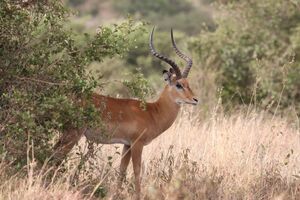
Impala
Scientific Name: Aepyceros melampus Subspecies: East African Impala (Aepyceros m. rendillis) Angola Impala (Aepyceros m. petersi) Distribution: South Africa, Mozambique, Zimbabwe, Botswana, Namibia, Angola, Zambia, Tanzania, Kenya, Uganda and Congo (Zaire) Habitat: Open bush and Acacia savanna Description: The three species are here descriped as on as the difference in appearance is negligent...
Read more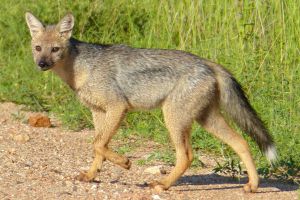
Jackal, Side-stribed
Videnskabeligt navn: Canis adustus Underarter: Ingen. Udbredelse: Fra Centralafrika og sydpå til det nordlige Namibia og Botswana samt det sydlige Mozambique. Levested: Åben bush og græssletter. Beskrivelse: Mindre rævelignende dyr der vejer ca. 10 kg og måler 45 cm overskuldrene. Pelsfarven er gråbrun med lyst bryst og hvid halespids. Langs siden har den...
Read more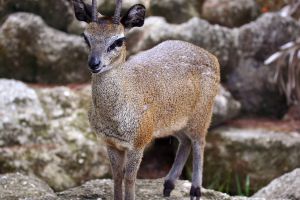
Klipspringer
Videnskabeligt navn: Oreotragus oreotragus Underarter: Ingen. Udbredelse: Sydafrika, Namibia, Botswana, Zimbabwe, Mozambique, Angola, Zambia, Tanzania, Kenya, Congo, Etiopien Sudan. Levested: Små isolerede klippeformationer samt bjerge. Beskrivelse: Lille antilope med en vægt på 10 - 15 kg og en skulderhøjde, der normalt ikke overstiger 60 cm. Klipspringeren er...
Read more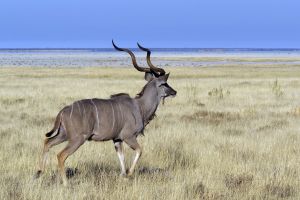
Kudu, Greater
Scientific Name: Tragelaphus strepsiceros Subspecies: Southern Greater Kudu (Tragelaphus strepsiceros strepsiceros) East African Greater Kudu (Tragelaphus str. bea). Western Greater Kudu (Tragelaphus str. cottoni) Distribution: From Chad, Sudan and Ethiopia in the North through all countries along the East coast as well as Zimbabwe, Zambia, Namibia, Botswana, Angola and South Africa. Habitat:...
Read more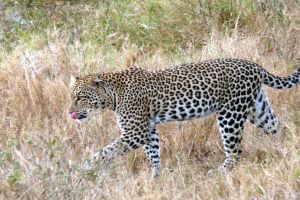
Leopard (Africa)
Videnskabeligt navn: Panthera pardus Underarter: Ingen Udbredelse: Hele Afrika syd for Sahara. Levested: Alle typer af terræn (selv udkanten af boligområder). Beskrivelse: Mellemstort dyr af kattefamilien med kompakt krop og kraftige ben. Leoparden kan opnå en vægt på 60 - 90 kg og en højde på ca. 70 cm. Skindet er gyldent med sorte ringe. Leoparden...
Read more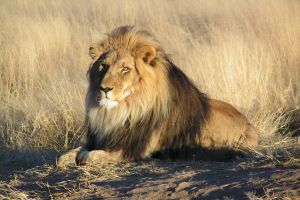
Lion (Africa)
Videnskabeligt navn: Panthera leo Underarter: Der anerkendes op til 7 geografiske underarter af løve. De beskrives her alle under et. Udbredelse: De forskellige løveunderarter har et fælles udbredelsesområde, der strækker sig fra Senegal i vest til Ethiopien og Somalia i øst samt i et bredt bælte langs Afrikas østkyst til det nordlige...
Read more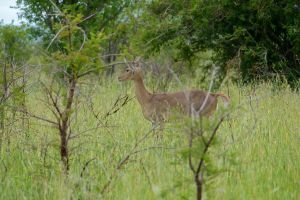
Reedbuck (Common)
Scientific Name: Redunca arundinum Subspecies: None Distribution: Angola, Southern part of Congo, Southern Tanzania, Zambia, Mozambique, Zimbabwe, Botswana, Namibia (Caprivi) and South Africa. Habitat: Open bush and savanna Description: Middlesized antelope with a shoulderheight of up to 100 cm and a weight of 70 - 80 kg. General colour uniform greyish fawn, tinged with brown, with a white...
Read more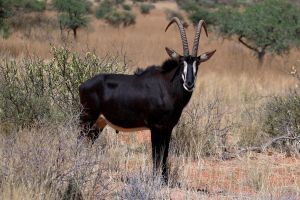
Sable Antelope (Africa)
Videnskabeligt navn: Hippotragus niger Underarter: Hippotragus n. kirkii, Hippotragus n. roosevelti. Giant Sable (Hippotragus n. Variani) beskrives ikke da den på nuværende tidspunkt er truet af udryddelse. Udbredelse: Sydafrika, Mozambique, Zimbabwe, Zambia Botswana, Namibia, Tanzania og Kenya. Levested: Åben bush og græssletter men findes også ofte i miombo- og...
Read more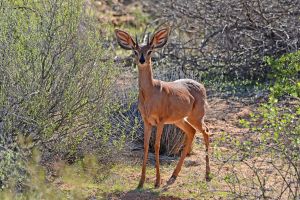
Steenbuck/Steenbok
Scientific Name: Raphicerus campestris Subspecies: Authors dissagree on the number of subspecies, and 1 to 8 subspecies are more or less recognized. Distribution: South Africa, Namibia, Angola, Botswana, Zimbabwe, Zambia, Mozambique, Kenya and Tanzania. Habitat: Open plains with bush and very little woodland. Description: Small antelope weighing 10 - 15 kg with a shoulder height normally not...
Read more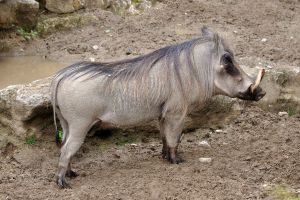
Warthog
Videnskabeligt navn: Phacochoerus aethiopicus Underarter: Der anerkendes op til 7 underarter, der her beskrives under et. Udbredelse: Hele Afrika syd for Sahara med undtagelse af den vestafrikanske regnskov samt ørken områder i Namibia. Levested: Åben bush og græssletter. Beskrivelse: Mindre griselignende dyr der opnår en vægt på 100 kg og en...
Read more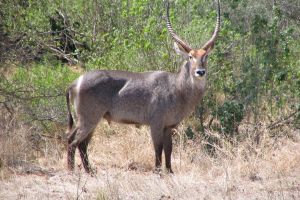
Waterbuck
Videnskabeligt navn: Kobus Defassa Underarter: Common Waterbuck (Kobus d. ellipsiprymnus), Defassa Waterbuck (Kobus d. defassa) Crawshay's Waterbuck (Kobus d. crawshayi). Sing Sing Waterbuck (Kobus d. unctuosus) Udbredelse: Defassa Waterbuck: Kenya, Tanzania, Ethiopien Sudan. Common Waterbuck: Sydafrika, Mozambique, Zimbabwe, Botswana, Zambia, Tanzania, Kenya, Sudan. Crawshay's Waterbuck:...
Read morePrices

The price includes
- All Outfitting and Government fees and Royalties: Wildlife Conservation Fee, Hunting License Fee, Government Trophy Handling, Company Trophy Handling, Concession Fees, Community Development fee and one Firearm License.
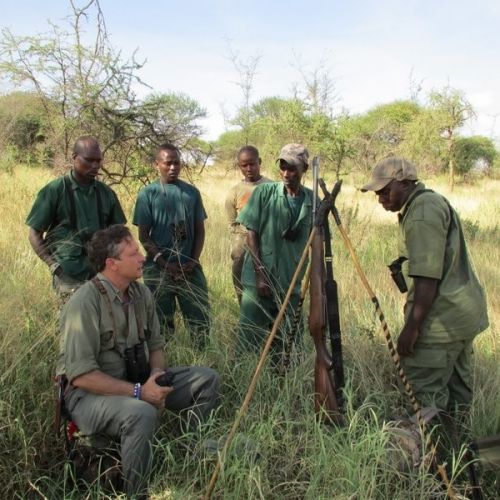
- The services of a complete safari crew, including Professional hunter, trackers, cooks, skinners, stewards, tent attendants, and their necessary assistants.
- Provision of fully equipped first class camp, including mosquito proof tents, daily laundry service, beds, comfortable mattresses, camp furniture, water filters, cooking utensils, fridge, freezer, radio communications and satellite telephones, Satellite Wi-Fi in each main camp.
- Supply of quality food, alcoholic beverages (in moderation), soft drinks, bottled water. Special dietary requirements will be taken into consideration, provided advance notice is given. Champagne is not included.
- Preparation of trophies (skinning and salting) in the field including transportation to airport.
- Processing, documentation and crating of trophies for exportation, and delivery for international departure.
- Provision of a comprehensive medical chest, including Snakebite serum.
- The provision of transport; one modern 4 x 4 safari vehicle per professional hunter and the necessary load carriers for equipment, provisions, trophies and staff.
- The skinning and preservation of trophies in the field plus dipping, handling, crating and documentation.
- A company representative to assist you in the Airport upon arrival and departure.
The price does not include
- Firearm license of US $250 per firearm for 2nd and 3rd firearm.
- Trophy fees for Game taken or wounded and lost (including anti-poaching and community contribution).
- Transfers to and from camp as listed above.
- Hotel accommodation and expenses before, during and after the safari days.
- Commercial airline flights, visas, airport tax and items of a personal nature.
- Gratuities to the staff and the professional hunter, to be paid in cash (please note that USD bills from BEFORE the year 2006 are no longer accepted in Tanzania), or by previous arrangement by bank transfer.
- Cost of transporting equipment and personnel to places beyond our concessions for specific purposes as requested i.e. photographic safari expeditions, foot safaris.
- Airfreight of trophies from Tanzania to the final destination
- Travel & cancelleation insurance
- EU-public liability insurance US$ 12,00.-
- Organisation fee US$ 350
Safari Packages
10-Day Buffalo hunt. This is one of Tanzania’s top Buffalo hunting area and you can hunt 2 Buffalo, plus 1 of each of the following; Zebra, Lichtenstein’s Hartebeest, Warthog, Southern Impala, Bush pig, Common Duiker and Yellow Baboon.
14-Day Western Species. This special hunt is based on limited 21-day license with no cats or Elephant. Available game to hunt is East African Sable, Roan, Greater Kudu, Livingston’s Eland, Buffalo, Lichtenstein’s Hartebeest, Defassa Waterbuck, Zebra, Common Reedbuck, Southern Impala, Warthog, Klipspringer, Grysbok and Yellow Baboon.
14-day Leopard, Sable, Buffalo and Western plains game. This is based on a limited 21 day hunt for Leopard, 2 Buffalo, only 2 of the greater antelope (Sable, Roan, Eland, Kudu), plus one of each of the following: Lichtenstein’s Hartebeest, Defassa Waterbuck, Zebra, Common Reedbuck, Southern Impala, Warthog, Bushpig, Klipspringer and Yellow Baboon. Elephant can be added to this package at no extra cost but if taken trophy fee and success fee applicable. Please inquire.
14-Day Elephant. This is based on a limited 21-day license for Elephant, 2 Buffalo, only 2 of the greater antelope (Sable, Roan, Eland, Kudu), plus one of each of the following: Lichtenstein’s Hartebeest, Defassa Waterbuck, Zebra, Common Reedbuck, Southern Impala, Warthog, Klipspringer and Yellow Baboon. Leopard can be added to this package at no extra cost but if Leopard taken or wounded and lost then a pre agreed success fee will be charged.
21 and 28-day hunts. These are full entitlement hunts for Lion, Leopard, Elephant, 3 Buffalo, East African Sable, Roan, Greater Kudu, Livingston’s Eland, Hippo, Crocodile, Lichtenstein’s Hartebeest, Defassa Waterbuck, Zebra, Common Reedbuck, Southern Impala, Warthog, Bushpig, Klipspringer, Sharps Grysbok, Ratel, Civet, Genet, Serval Cat, Black Backed Jackal, Spotted Hyena and Yellow Baboon. This is truly one of Tanzania’s few remaining great full manned lion areas, with thousands of Buffalo and the easiest Leopard hunting. Foot safari option available at additional $500 per day minimum of 3 days.
Trophy Fees
|
Species |
Availability - Lukwati | 10 day license | 14 day license | 21/28 day license | Trophy Fees in USD$ |
| Baboon | *** | x | x | x | $250 |
| Buffalo Cape | *** | x | x | x | $5,300 |
| Bushbuck - Chobe | ** | x | x | $1,200 | |
| Bushpig | *** | x | x | x | $1,050 |
| Cat – Civet, Genet & Wild Cat | * | x | x | $400 | |
| Cat – Serval & Caracal | * | x | x | $500 | |
| Crocodile (up to/above 15 foot) | ** | x | $4,700/$7,000 | ||
| Duiker – Common or Bush | *** | x | x | x | $600 |
| Eland - Livingstone | ** | x | x | $4,700 | |
| Elephant - 15kg (33Lbs) / 1.5m | * | x | *See Elephant rates | ||
| Grysbok | ** | x | x | x | $700 |
| Hartebeest – Lichtenstein’s | *** | x | x | x | $1,800 |
| Hippopotamus | * | x | $4,700 | ||
| Hyena – Spotted | *** | x | x | $950 | |
| Impala – Southern | ** | x | x | x | $600 |
| Jackal Side striped, Golden | * | x | x | $500 | |
| Klipspringer | *** | x | x | $1,450 | |
| Kudu – Greater | ** | x | $4,700 | ||
| Leopard | *** | x | x | $10,600 | |
| Lion | *** | x | $23,500 | ||
| Reedbuck – Common/Southern | ** | x | x | $1,100 | |
| Roan Antelope | ** | x | x | $8,250 | |
| Sable Antelope -East African | *** | x | x | $7,100 | |
| Warthog | *** | x | x | x | $850 |
| Waterbuck – Defassa | ** | x | x | $1,900 | |
| Zebra | ** | x | x | x | $1,800 |
ELEPHANT TROPHY FEES including antipoaching and community surcharge. Up to 55 pounds $29,500 * From 55.1- 60 pounds $35,500. From 60.1- 70 pounds $52,950 * Above 70 pounds please inquire. Availability: *Low success rate: low density or of nocturnal nature. **Good success rate. ***High success rate.